

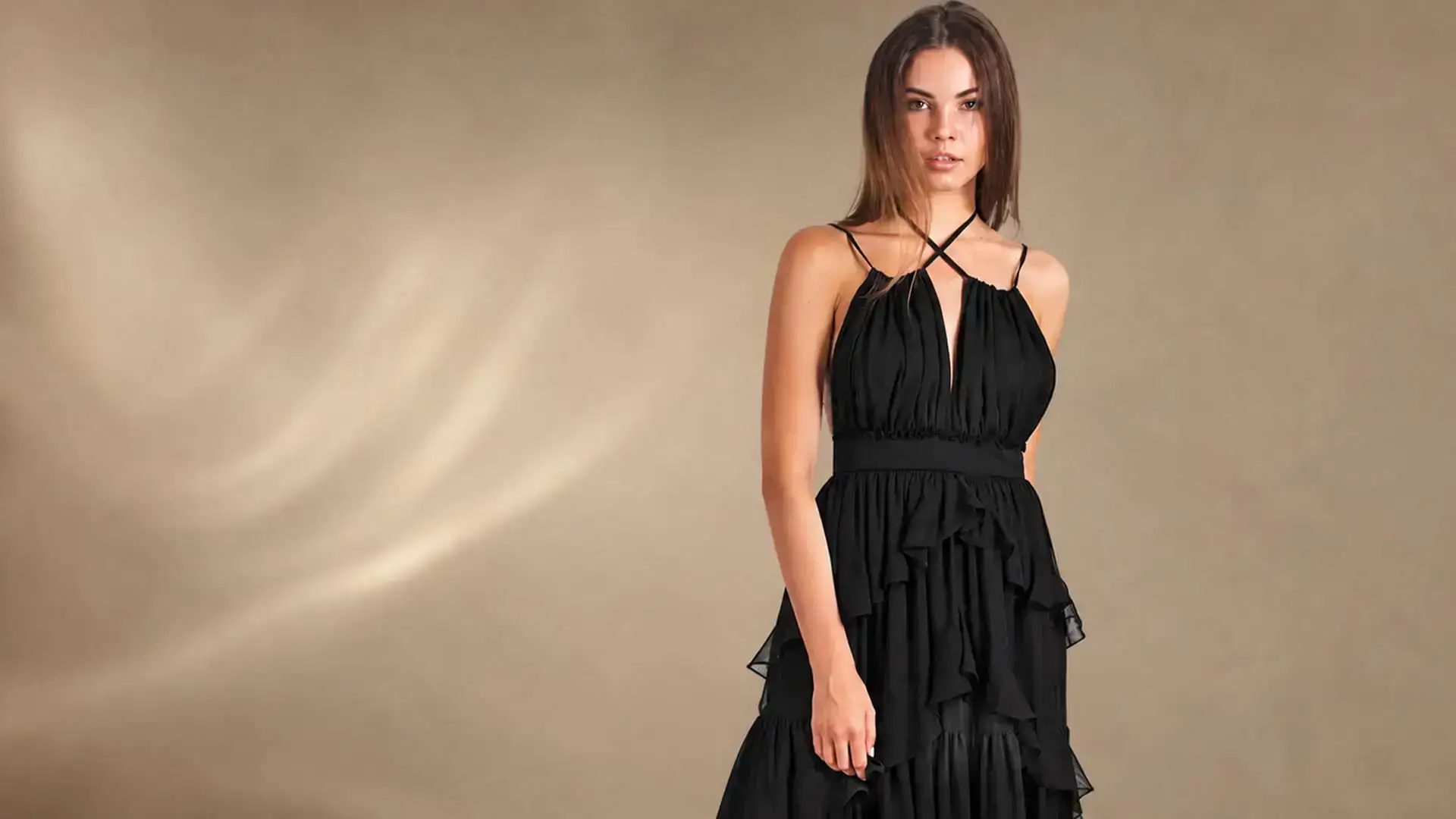
Have you ever loved a dress, worn it once, and then quietly decided it belonged to only that occasion. That habit can make a packed wardrobe feel strangely limited. A versatile dress should not stop working when brunch ends, dinner begins, or an invitation changes the mood. With thoughtful styling, the same piece can move between casual afternoons, office hours, celebrations, and spontaneous evenings without feeling repeated. The secret is not hiding the dress. It is changing the story around it. Shoes, layers, bags, jewelry, and proportion can give one familiar piece an entirely different personality each time.
One big wardrobe limitations begins before you even get dressed. It actually starts when you mentally assign a dress to one particular type of event.
The floral midi becomes the brunch dress. The flowing dark dress becomes the dinner dress. The fitted piece gets saved for celebrations. Once these labels stick, your wardrobe can suddenly feel smaller than it actually is.
Instead, look at what the dress offers.
Consider its silhouette, color, neckline, length, print, texture, and also movement. Then ask how much each feature could interact with different styling choices.
A simple midi could become relaxed with flat footwear and a soft bag, then feel sharper with structured accessories. A flowing dress could work for daytime with restrained styling before taking on a stronger evening personality through jewelry and footwear.
Versatility begins when you stop asking where a dress belongs and start asking how many different stories can tell.
Some dresses naturally provide more styling possibilities than others.
That doesn’t mean they need to be plain. A versatile dress can feature color, print, texture, or distinctive detailing. What matters is whether its design gives surrounding pieces room to change its mood.
Look at the silhouette first.
Can you wear it different shoe shapes? Could it work beneath a jacket or cardigan? Does the neckline accommodate different jewelry choices? Would a belt change the shape without disrupting the design?
Color matters too. A shade that works with several colors already present in your wardrobe can create more combinations.
When shopping, think beyond the first outfit you imagine.
Try mentally styling the dress three ways before choosing it. If you can already picture it for lunch, dinner, and another upcoming plan, you are looking at a piece with real wardrobe potential.
That simple exercise can change how intentionally you shop.
Turning a dress into a daytime outfit usually involves lowering the visual intensity.
Start with footwear.
Flat sandals, simple flats, casual shoes, or another relaxed shape can immediately shift how a dress reads. Even a dress with dramatic movement can feel more approachable when grounded with understated footwear.
Next, consider the bag.
A practical shoulder bag, crossbody, or roomy handheld design can give the outfit a functional daytime direction. Keep jewelry restrained if the dress already has noticeable color or print.
Layers can also help.
A lightweight cardigan, simple jacket, or relaxed outer piece can soften a dress that otherwise feels reserved for evening plans.
The aim is not to disguise the dress. Let its character remain visible while surrounding it with pieces that suggest ease.
This is particularly useful when your wardrobe contains dresses you love but rarely wear because they seem slightly too dressed up for ordinary plans.
Sometime daytime plans call for more polish.
Perhaps you are heading to a meeting, lunch appointment, presentation, or somewhere your casual combination feels too relaxed. The same dress can still work.
This time, introduce structure.
A defined jacket can sharpen a fluid silhouette. A streamlined bag can create visual order. Shoes with a cleaner shape can shift the overall mood without requiring a completely different outfit.
Color coordination also becomes useful here.
Rather than adding several contrasting shades, create a tighter palette. Repeat a tone from the dress through one accessory, or surround a colorful dress with quieter shades.
The outfit should feel intentional rather than complicated.
This approach demonstrates why understanding the dress itself matters. You are not rebuilding your look from nothing. You are actually adjusting its styling language.
One dress can therefore move between casual and polished daytime settings simply by changing what sits around it.
Turn Dinner Plans Into an Easy Transition
The day-to-evening outfit is often discussed as though it requires a dramatic transformation. Usually, it does not.
A few targeted changes can do far more.
Start with the pieces carrying the strongest daytime signals. That might be a large practical bag, relaxed footwear, or a casual outer layer.
Replace one or two.
A smaller bag immediately changes the scale. More expressive shoes can create contrast or draw attention downward. Earrings, a bracelet, or another intentional accessory can introduce visual interest.
If your dress has an interesting neckline, consider letting that detail become more visible by removing the daytime layer.
The transformation works because the dress stays consistent while its supporting cast changes.
This is particularly useful when plans move quickly. You don’t need an entirely different outfit waiting somewhere. A few compact accessories can create enough distinction to make the same dress feel appropriate for the next setting.
Accessories are where repeat styling becomes really interesting.
Imagine the same simple dress dress worn three times.
The first outfit uses understated jewelry and a practical shoulder bag. The second introduces sculptural earrings and a compact handbag. The third adds contrasting footwear and a belt.
Same dress. Three different visual directions.
The key is changing combinations rather than piling everything together.
Choose one or two accessories that tend to establish the mood you want. If the bag is expressive, perhaps the jewelry can remain quieter. If the earrings are visually strong, allow them space rather than introducing several competing details.
Belts can be particularly useful because they change both appearance and proportion. Depending on the dress, adding one can create greater waist definition and alter how the silhouette interacts with jackets or bags.
Accessories should not simply decorate a dress. They should help decide what version of that dress you are wearing today.
Layers do more than respond to temperature. They can reshape the entire outfit.
A cropped jacket can emphasize the waist. A longer layer can create vertical movement. A fitted outer piece can introduce structure to a flowing dress, while a softer layer can relax something sharper.
This makes layering particularly valuable when repeating dresses.
Instead of focusing only on color, consider how the layer changes proportion.
Where does it finish against the dress? Does it reveal or conceal the waist? Does it compete with the skirt? Does the neckline remain visible?
Try the outfit both open and closed if the layer allows it. A small adjustment can substantially change the overall shape.
You can also use layering to bring dresses into different parts of your wardrobe rotation. Pieces you associate with warmer days may gain new styling possibilities when paired with suitable outerwear.
One dress suddenly becomes the foundation rather than the entire outfit.
If you want the quickest way to make a familiar dress feel different, look downward.
Shoes influence the mood of an outfit far more than their size suggests.
Relaxed footwear can make a dress feel casual. A sharper silhouette can create a more polished impression. A contrasting color can introduce personality, while a quieter shade can allow the dress itself to remain dominant.
Think about visual weight too.
A delicate dress combined with visually substantial shoes creates a different effect from the same dress paired with something understated. Neither direction is automatically right. What matters is whether the choice supports the mood you want.
Hem length also influences the relationship.
Different shoes change how the space between the hem and floor appears, which can subtly alter the proportions of the outfit.
Before deciding that you have worn a dress too recently, try it with completely different footwear. You might be surprised by how unfamiliar it suddenly feels.
Making one dress work harder ultimately begins with how you choose clothing.
Instead of shopping solely for an upcoming event, consider what happens after that event ends.
Can the dress become casual with different shoes? Could another bag change its mood? Will your existing layers work with its shape? Can you imagine styling it differently several months from now?
These questions don’t remove excitement from shopping. They add another reason to become excited about the right piece.
A dress that gives you several outfit possibilities can become something you repeatedly look forward to styling rather than something that disappears after one photograph.
That is where a thoughtfully built collection becomes useful.
Look for dresses that invite experimentation. Explore silhouettes that interact easily with pieces you already own. Choose colors and details that give you different styling directions.
Because the strongest wardrobe is not necessarily the one containing endless choices.
It is the one where your choices keep creating new ones.